Grapevine Viruses: Search for the Missing Pieces of the Puzzle
(GRAVIPUZ)
Project is financed by the Croatian Science Foundation
(grant no. IP 2022-10-3103)
About the project
Viticulture in Croatia has a long tradition and is characterised by at least 125 autochthonous grapevine cultivars, of witch ‘Plavac mali’ is one of the most popular. About 15% of Criatian inhabitants are directly or indirectly connected with viticulture. At the same time grapevine viruses are considered a global problem and control strategies are based on preventive measures. Nevertheless, there is a lack of knowledge about alternative hosts, the behaviour of vectors, and the impact of climate change on the entire ecosystem. Croatian autochthonous grapevines, especially in coastal areas, are highly infected with viruses, particularly those of the leafroll (grapevine leafroll-associated virus 3, GLRaV-3) and rugose wood comlexes. The Kaštela region (Central Dalmatia) is characterised by various autochthonous cultivars, but also by grapevines frequently infected with more than 10 viruses, which provides an ideal natural platform for studying various aspects of grapevine virology. The first objective of the project is to screen perennial plants as potential alternative hosts in vineyards and surrounding areas for the presence of viruses using nanopore sequencing technology. Since limited data on the impact of the viruses on Croatian autochthonous cultivars, climate change and prolonged drought periods, the second objective is to determine the impact of GLRaV-3 on ‘Plavac mali’ exposed to different levels of water stress. Various physiological parameters will be measured and analysed, including quantification of GLRaV-3. The third objective is to determine the effect of watter stress and GLRaV-3 on the behavioural patterns (activity, movement, host selection) of vine mealybug (Planococcus ficus), a common pest in vineyards and GLRaV-3 vector. the results of the project will contribute to the development of new control strategies and provide valuable data on the impact of climate change and virus infection on ‘plavac mali’ production.
News
December 2025 – Analysis of HTS Data from Vineyards and Surrounding Vegetation
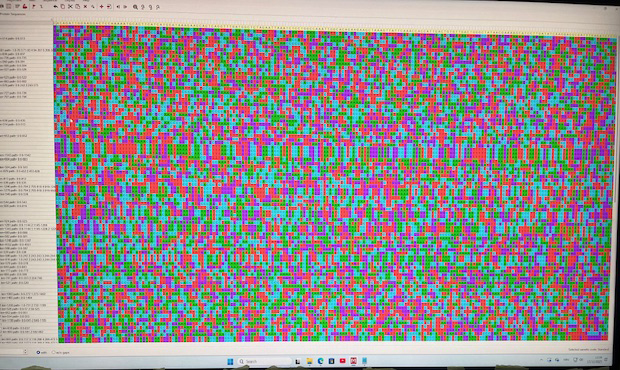
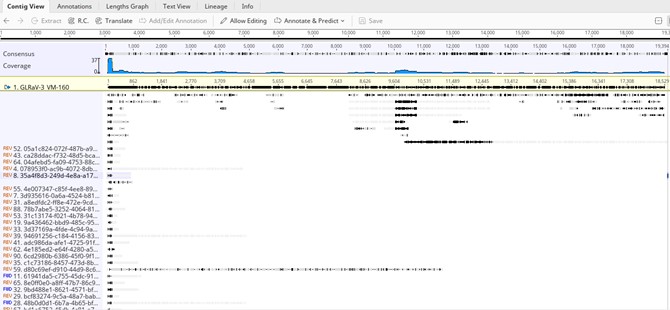
Basic processing of HTS data obtained from Novogen for 60 samples collected in vineyards and surrounding vegetation revealed partial or complete sequences of over 80 different viruses. Detailed analysis and confirmation of these viruses using conventional PCR or real-time PCR are currently underway.
September 2025 – Biotechnical PhD Day
Colleague Nina Buljević, project assistant, participated in the Doctoral Day in the Biotechnical Field with a paper titled ‘Nanopore Sequencing for Grapevine Virus Detection.’ The work was presented in the form of a poster and resulted from collaboration with colleagues and scientists from the National Biological Institute (NIB) in Ljubljana.”
August-September 2025 – Behavior of the Vine Mealybug Under Drought Conditions and Host Preference Tests
Host preference tests were conducted and analyzed to evaluate the movement behavior of the vine mealybug under conditions simulating impaired leaf function due to drought stress. The study aimed to assess the insect’s potential shift toward alternative host plants when its primary host becomes less suitable.
To achieve this objective, experimental “arenas” were constructed consisting of a central release point for the mealybugs and surrounding positions where test plants were placed in tubes containing water and sugar solution.
In addition to grapevine shoots, shoots of twelve additional plant species were included in the trials: pomegranate, myrtle, olive, mastic tree, caper, fig, peony, jujube, strawberry tree, loquat, carob, and oleander.
July–September 2025 – Vineyard Selection for Virus Screening by HTS and Sample Collection
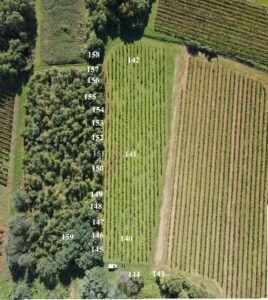
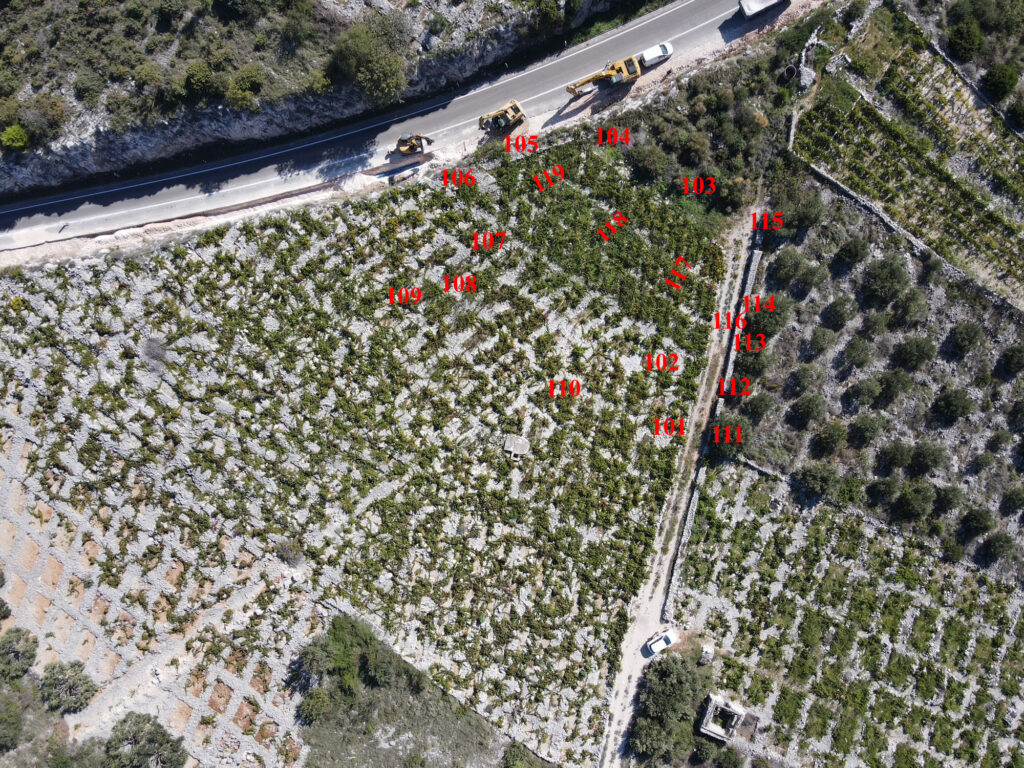
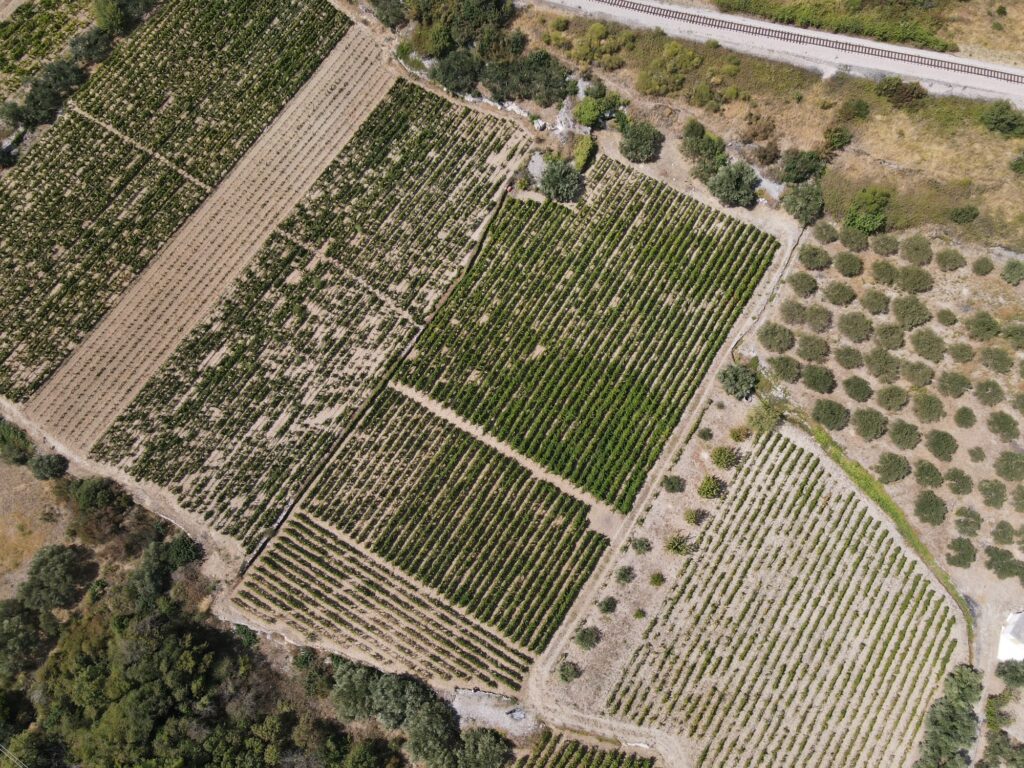
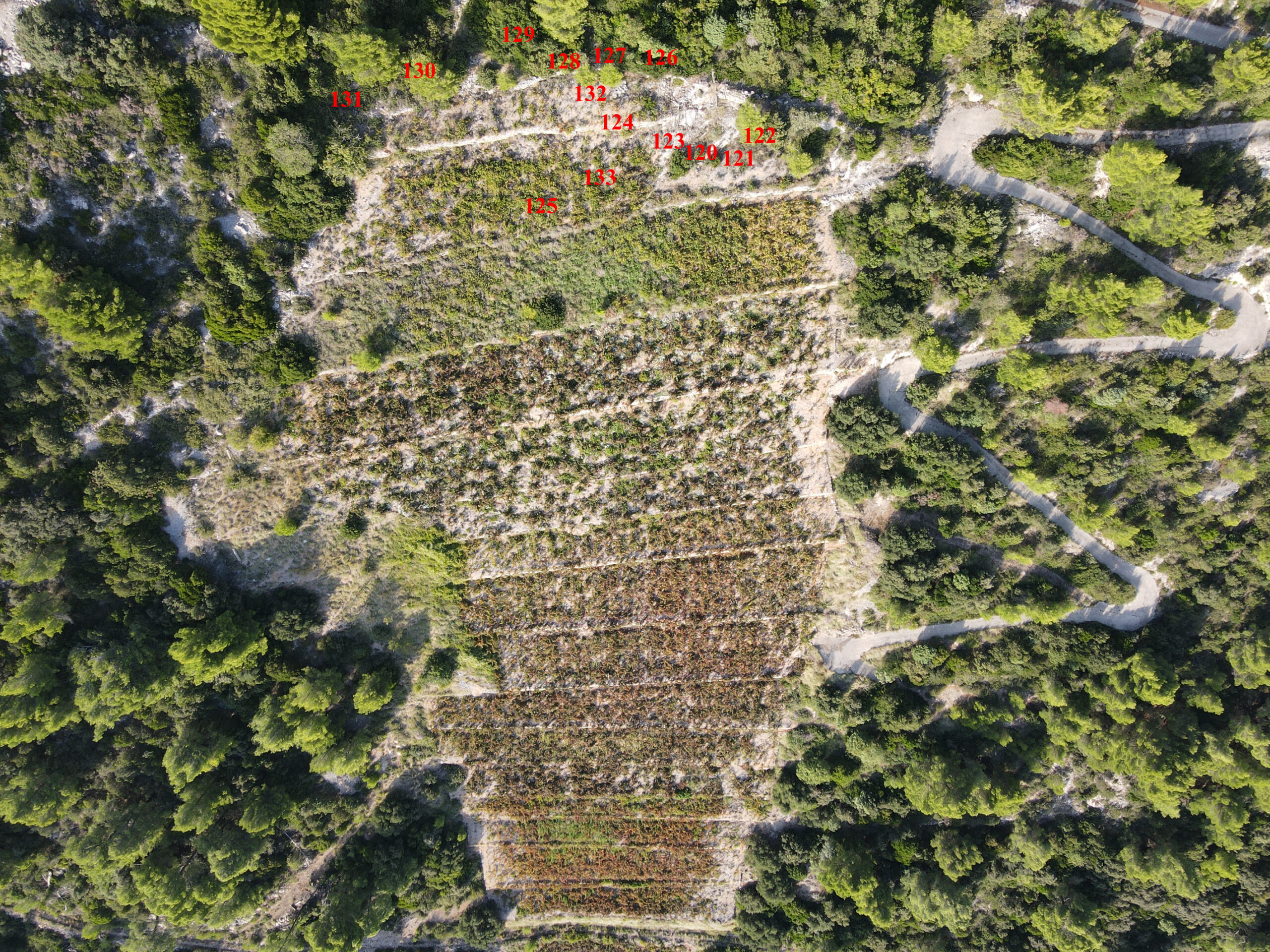
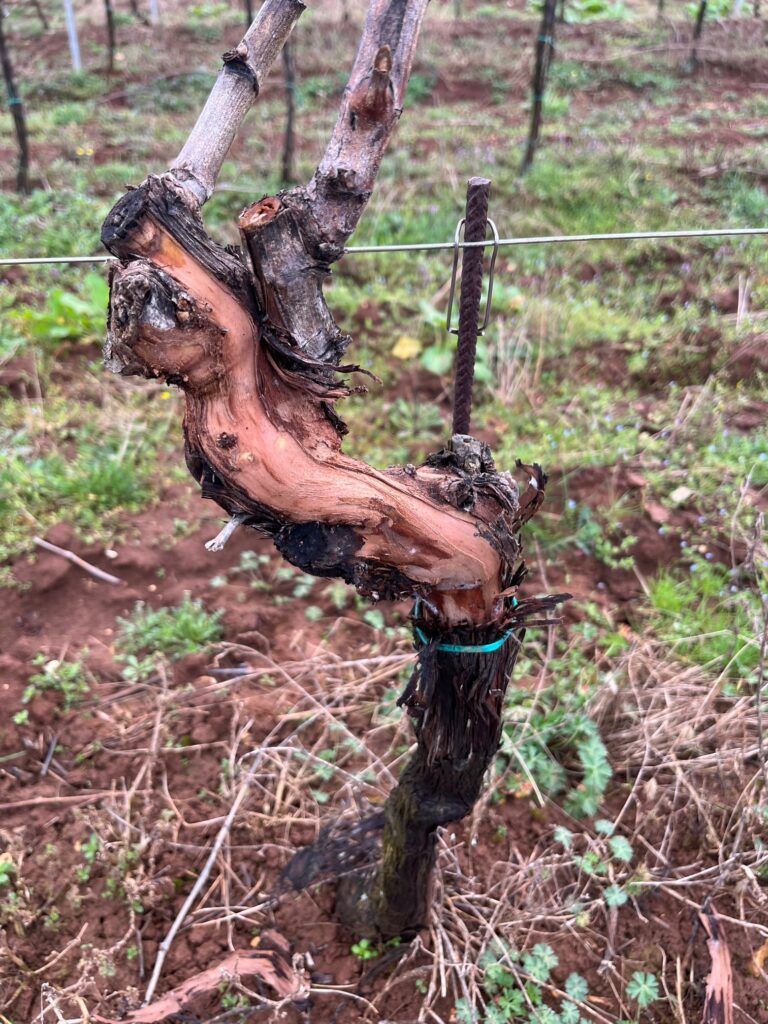
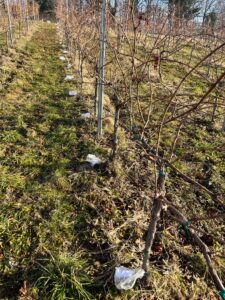
Vineyards were selected at various viticultural sites along the coast (Istria, Primošten, Kaštela, Pelješac Peninsula) and documented using a drone. From each location, samples were collected and marked on the corresponding drone images.
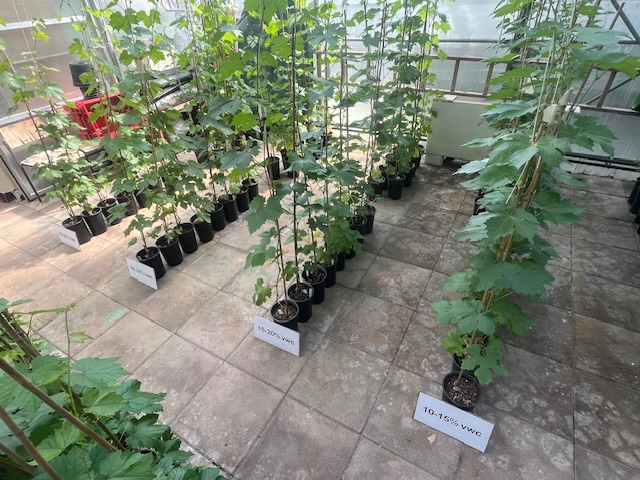
July 2025 – Exposure Tests of Virus-Free and GLRaV-3-Infected ‘Plavac mali’ Plants under Different Levels of Water Stress
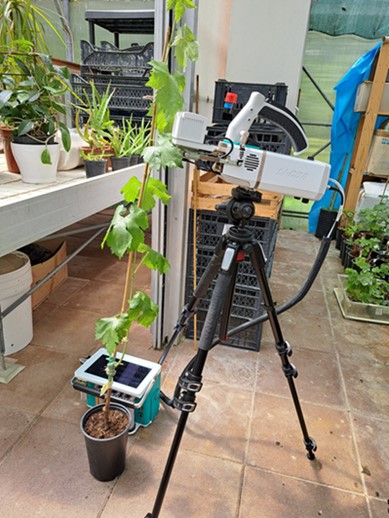
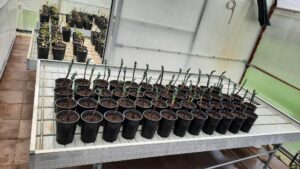
An experiment was established to study the response of rooted cuttings of cv. ‘Plavac mali’ under three levels of water stress. Various parameters were measured, including the relative and absolute concentration of GLRaV-3, biochemical stress indicators, physiological responses during the stabilized phase of the experiment, gas exchange (A, E, gsw, WUEi), multispectral indices, plant water status, secondary metabolites, and other biochemical stress markers.
June 2025 –Transmission of Grapevine Viruses to Potential Alternative Hosts via the Mealybug Planococcus ficus
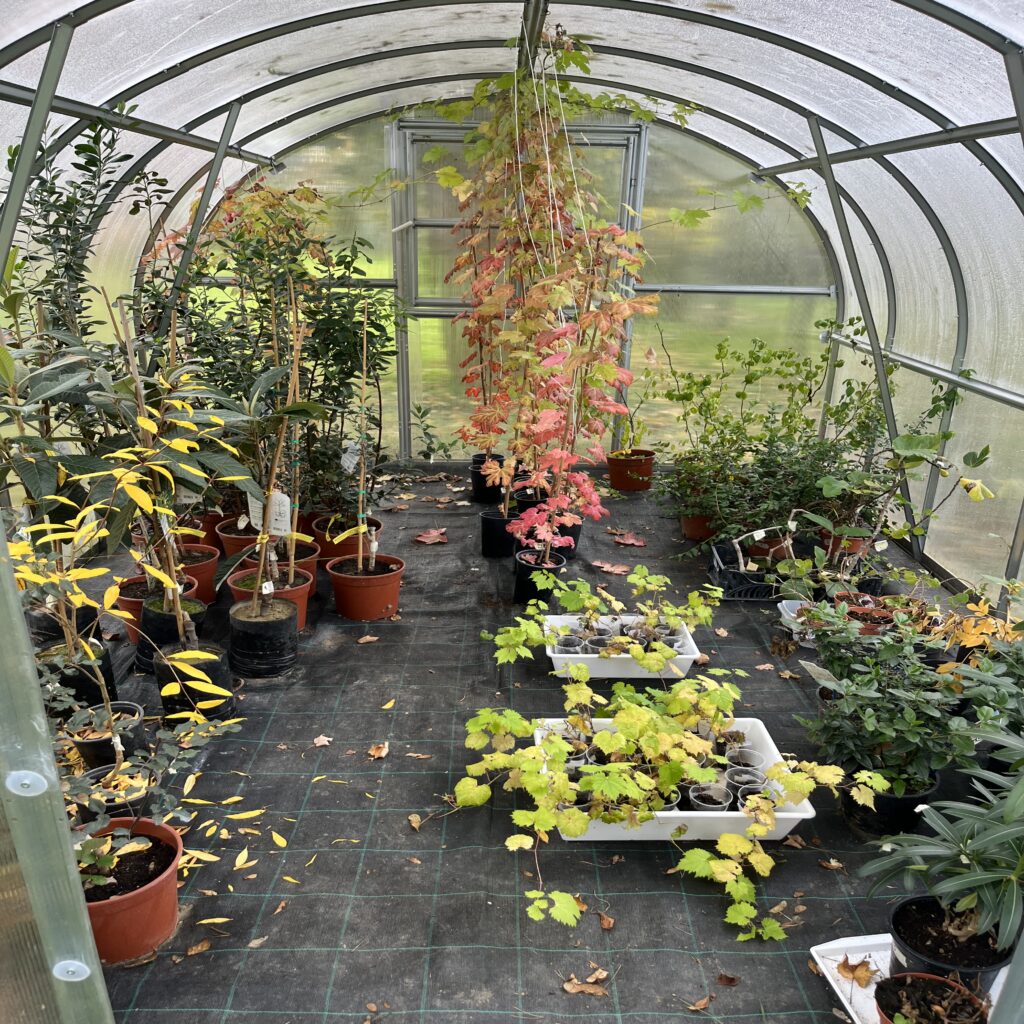
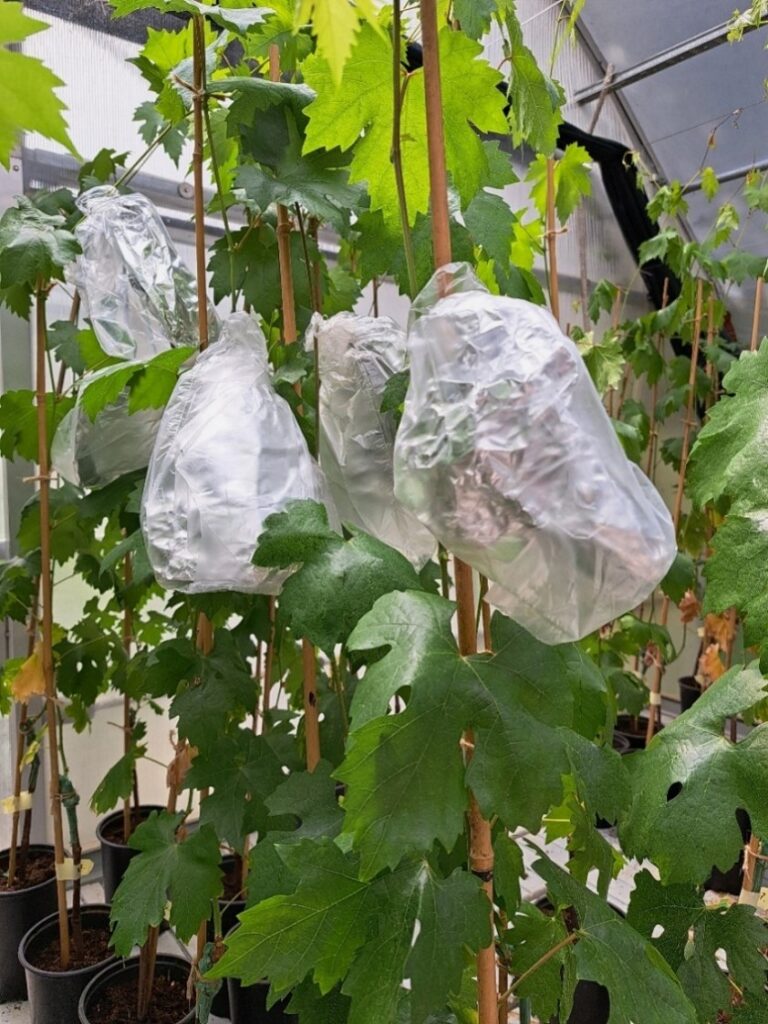
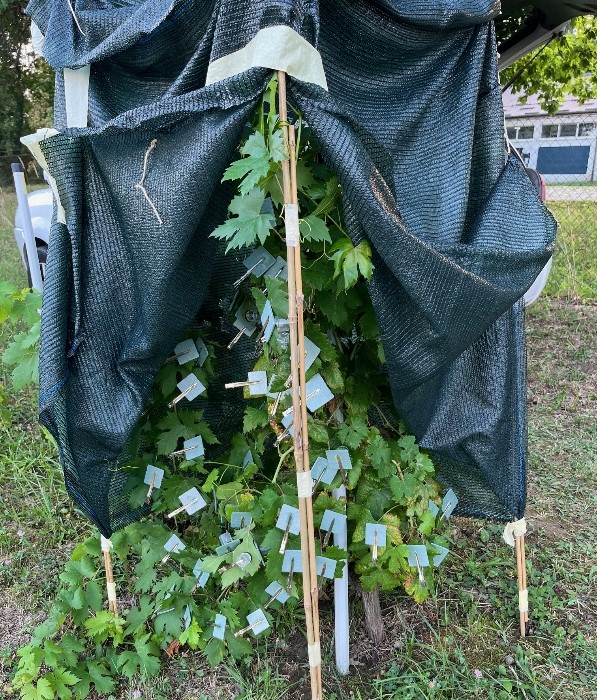
In June 2025, a study was conducted to examine the transmission of grapevine viruses (GLRaV-1, GLRaV-3, GVA) from infected grapevines to potential alternative host plants using the mealybug Planococcus ficus as a vector. Mealybug nymphs were allowed a 7-day acquisition period on infected grapevines, followed by a 7-day inoculation period on test plants. After inoculation, all plants were treated twice with imidacloprid to control the insects. A range of plant species was tested, including peony, caper, olive, myrtle, loquat, oleander, strawberry tree, carob, pomegranate, fig, grapevine, and jujube. Each species was represented by 5–7 plants to evaluate their susceptibility as potential virus hosts. The study provides valuable insights into virus transmission pathways and the possible role of alternative host plants in the spread of grapevine viral diseases.
June 2025 – Participation of Nina Buljević, PhD Student, at the 60th Croatian and 20th International Symposium on Agriculture
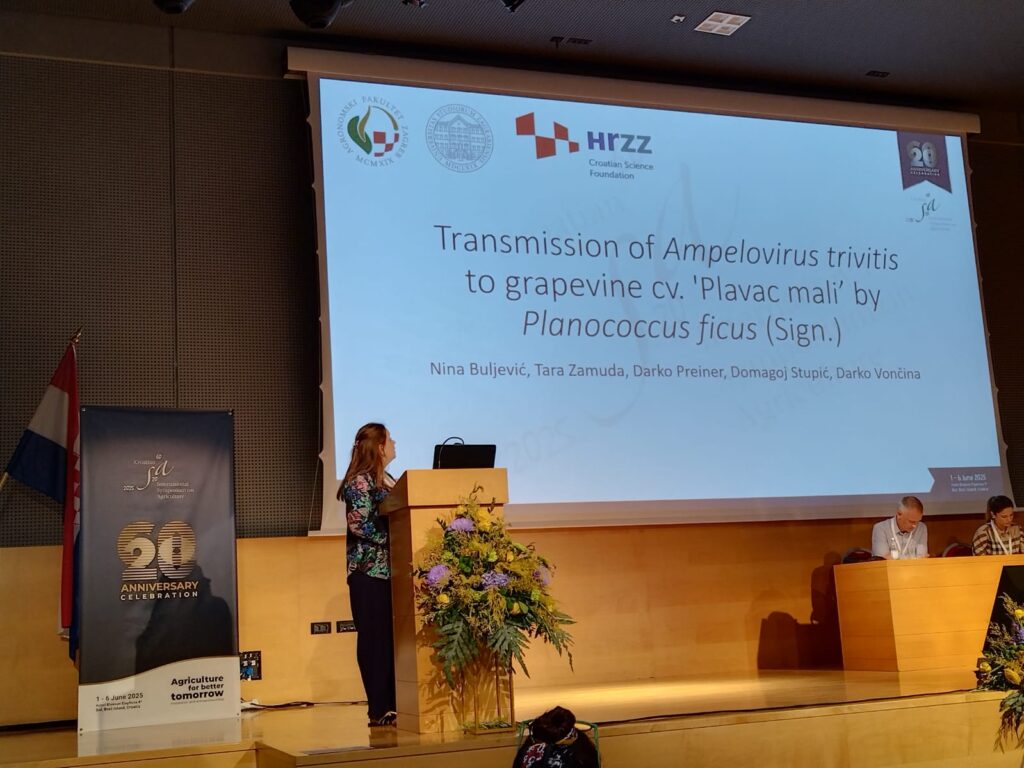
PhD student Nina Buljević participated in the 60th Croatian and 20th International Symposium on Agriculture in Bol, Brač. She presented a research paper titled “Transmission of Ampelovirus trivitis to grapevine cv. ‘Plavac mali’ by Planococcus ficus (Sign.)”, co-authored with Tara Zamuda, Darko Preiner, Domagoj Stupić, and Darko Vončina. The study highlighted that understanding virus epidemiology in coastal Croatia and controlling mealybug populations are essential to limit GLRaV-3 transmission in cv. ‘Plavac mali’. These efforts also contribute to the preservation of indigenous grapevine varieties.
May 2025 – Research Stay of Assistant Nina Buljević at the National Institute of Biology (NIB), Ljubljana
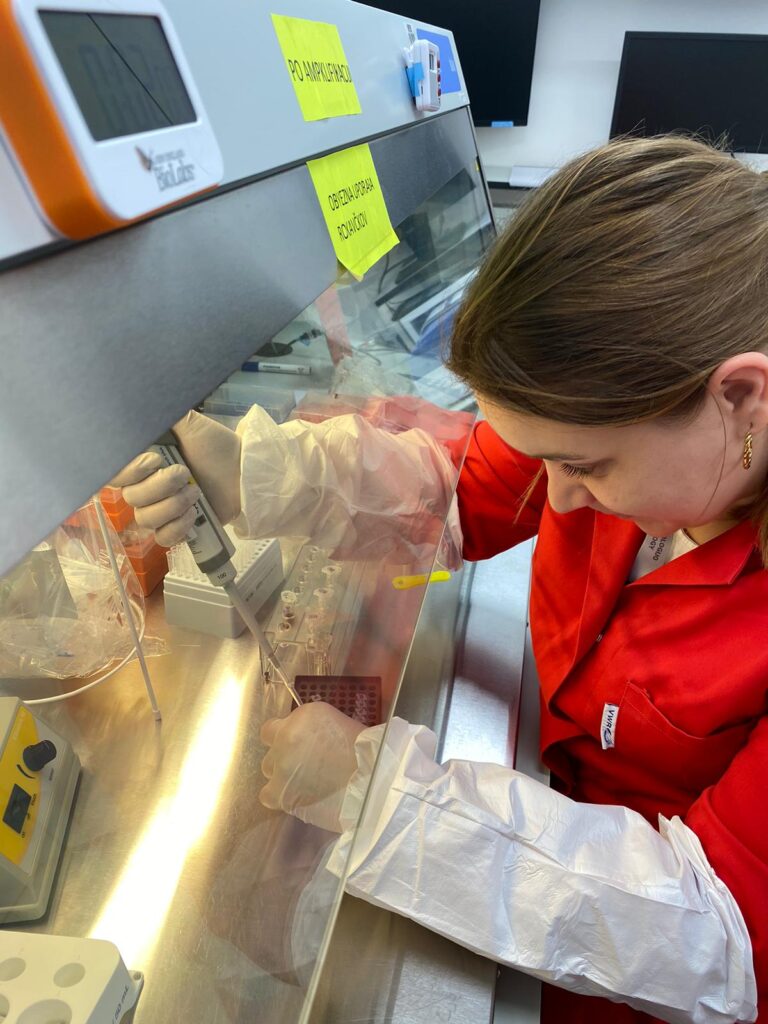
In May 2025, our colleague Nina Buljević completed a specialized research stay at the National Institute of Biology (NIB) in Ljubljana. The training focused on sample preparation and nanopore sequencing using the MinION device.
The specialization was carried out under the expert guidance of Dr. Anja Pecman and Veronika Bukvič, and coordinated by Dr. Denis Kutnjak.
As a result of this successful collaboration, a bilateral agreement was signed to support future joint projects of mutual interest, further strengthening the cooperation between our institutions.
May 2025 – Visit of Professor Rodrigo P.P. Almeida (UC Berkeley) to the Faculty of Agriculture, University of Zagreb
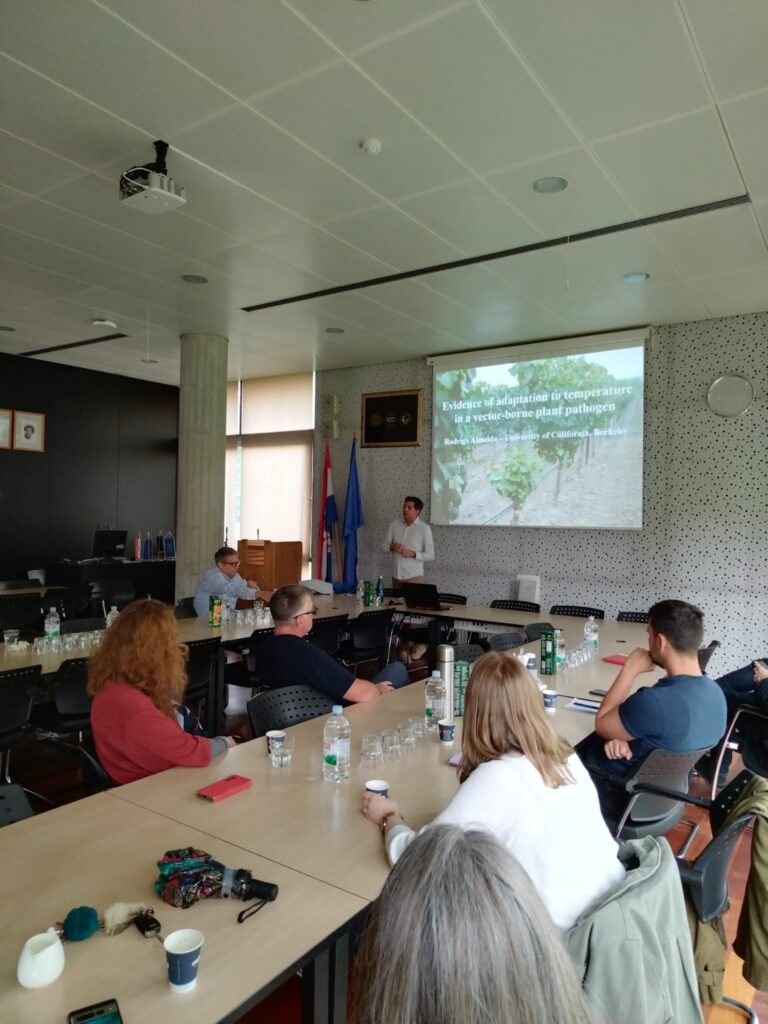
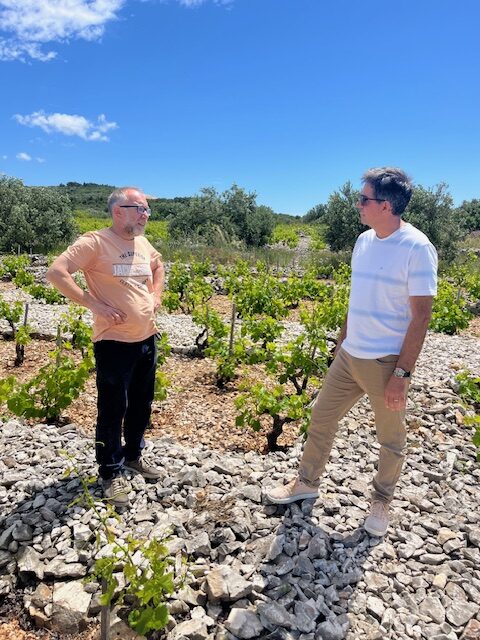
As part of the project activities, Professor Rodrigo P.P. Almeida from UC Berkeley visited the Faculty of Agriculture in Zagreb. During his visit, he delivered a lecture for students and staff entitled “Evidence of Adaptation to Temperature in a Vector-Borne Plant Pathogen”. Professor Almeida also assisted in setting up experiments related to insect vectors and visited several vineyards along the coastal region, where he shared insights from his research in the United States on grapevine virus infections. The visit provided valuable opportunities for knowledge exchange and collaboration between the Faculty and international experts in plant pathology and viticulture.
April – September 2025 – Collection of Planococcus ficus Colonies
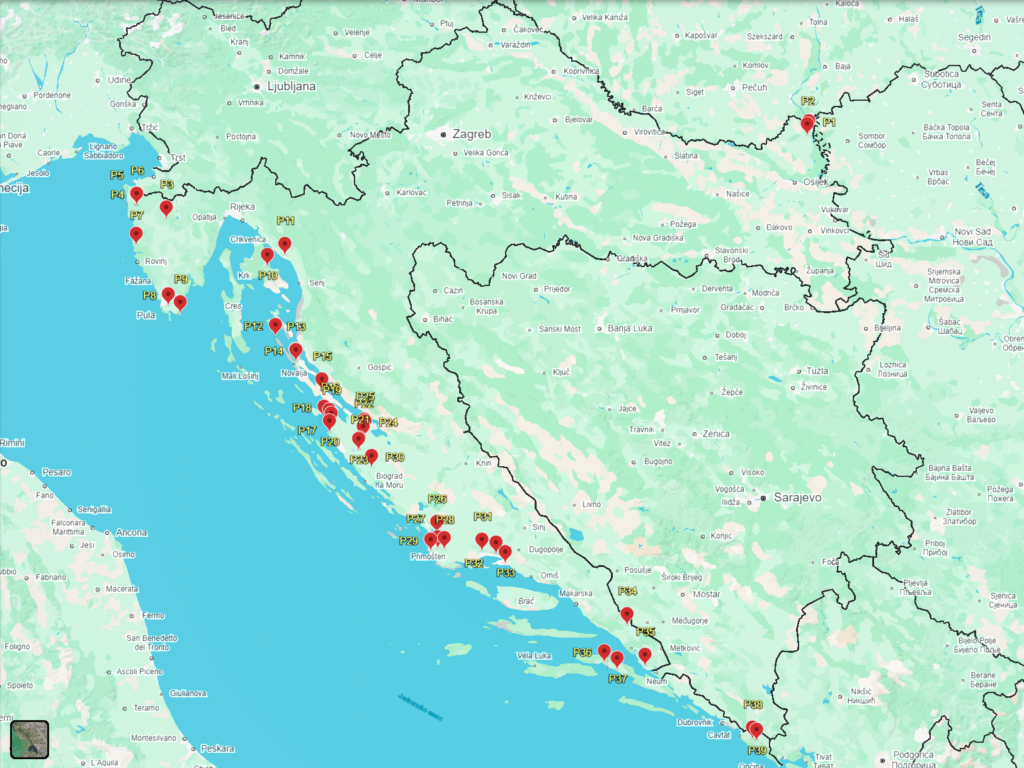
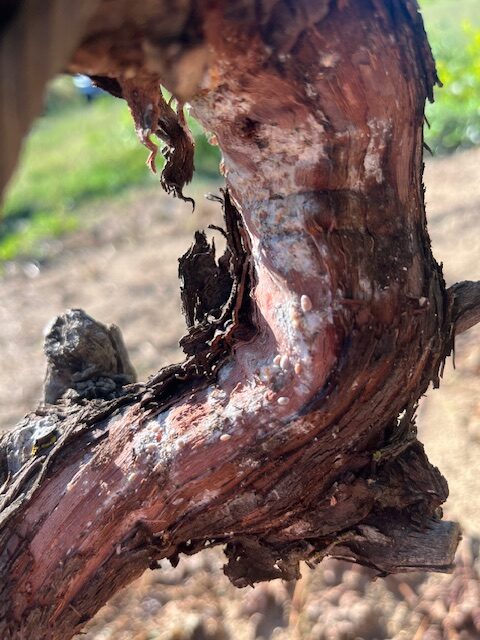
We conducted field visits to 39 vineyards across coastal and continental regions to collect diverse populations of the vine mealybug (Planococcus ficus). These samples will be used to investigate genetic diversity among populations and support further research on their distribution and adaptation.
February 2025 – Participation in the 67th Conference on Plant Protection (Opatija)
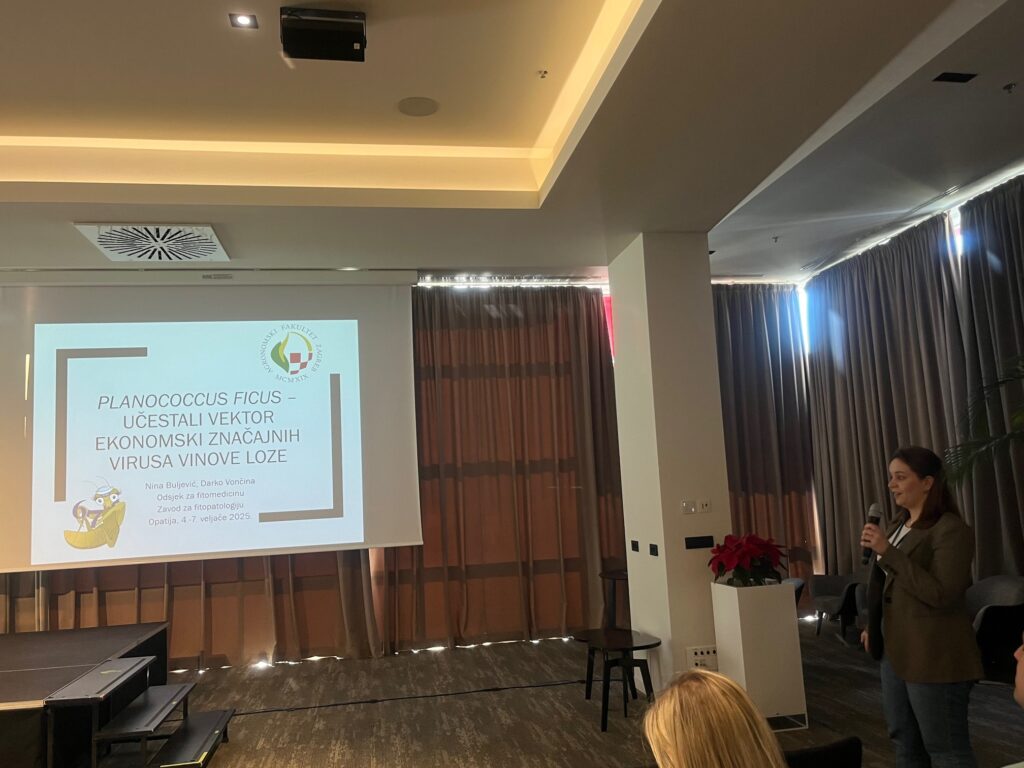
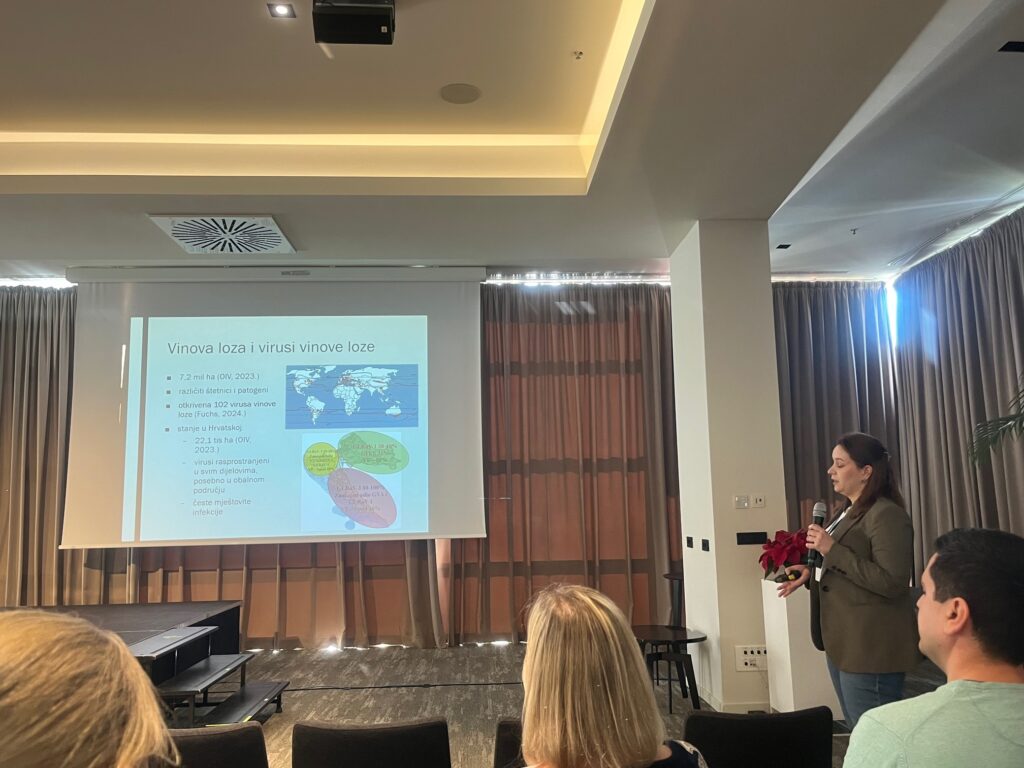
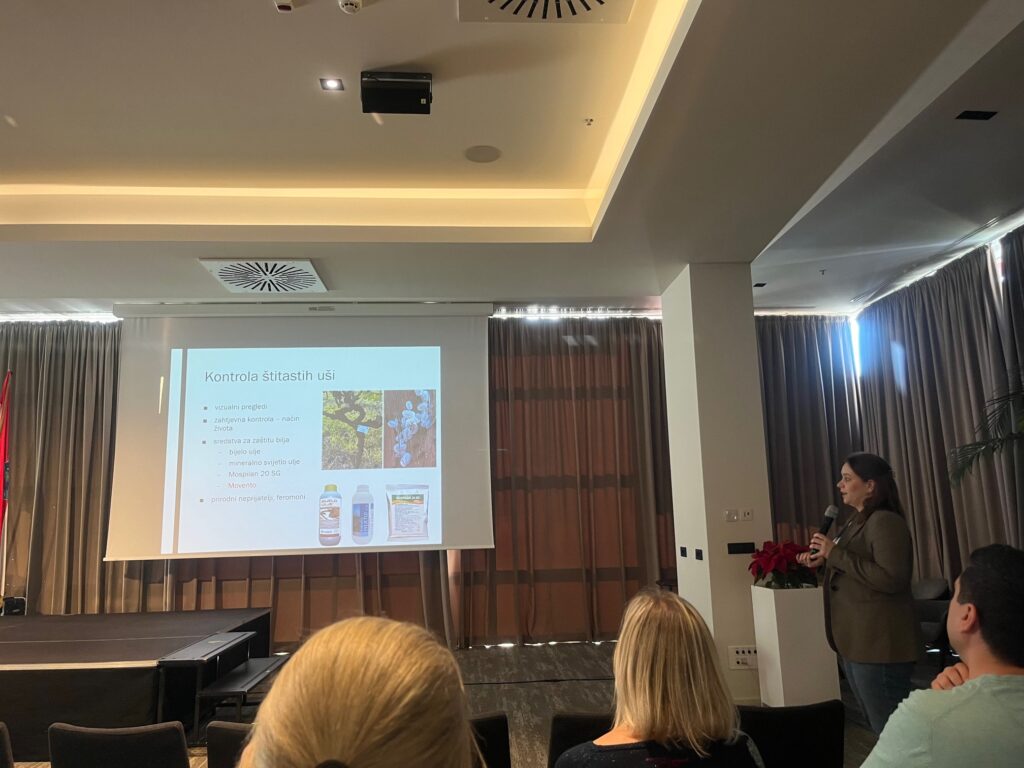
We participated in the 67th Conferencce on Plant Protection with a presentation entitled “Planococcus ficus – common vector of economically improtant grapevine viruses“. This was Nina’s first oral presentation, informing the participants about the main symptoms caused by grapevine viruses and results of field survey obtained in 2024 related to the distribution and abundance of the wine mealybug (Planococcus ficus) in Croatia. The survey was conducted in 33 different vineyards and 305 vines were examined by bark removal. The collected mealybugs were identified by multiplex PCR.
January 2025– Farewell Boris! After a year of very productive collaboration, our team member Boris Lazarević has decided to submit a project proposal as project leader to the Weave iniciative (Croatian Science Foundation). Thank you Boris for everything you have done for the GRAVIPUZ project and good luck with your application!
December 2024 – Detection of grapevine viruses using Minion Mk1C (Oxford Nanopore Technology) – we started implementation of nanopore sequencing in our lab. Right now most promising pipeline is based on total RNA as a starting template for library prep. Three project members (Buljević, Tomaz, Vončina) finished ONT library preparation and sequencing course. We sucesfully detected sevaral grapevine viruses and viroids.
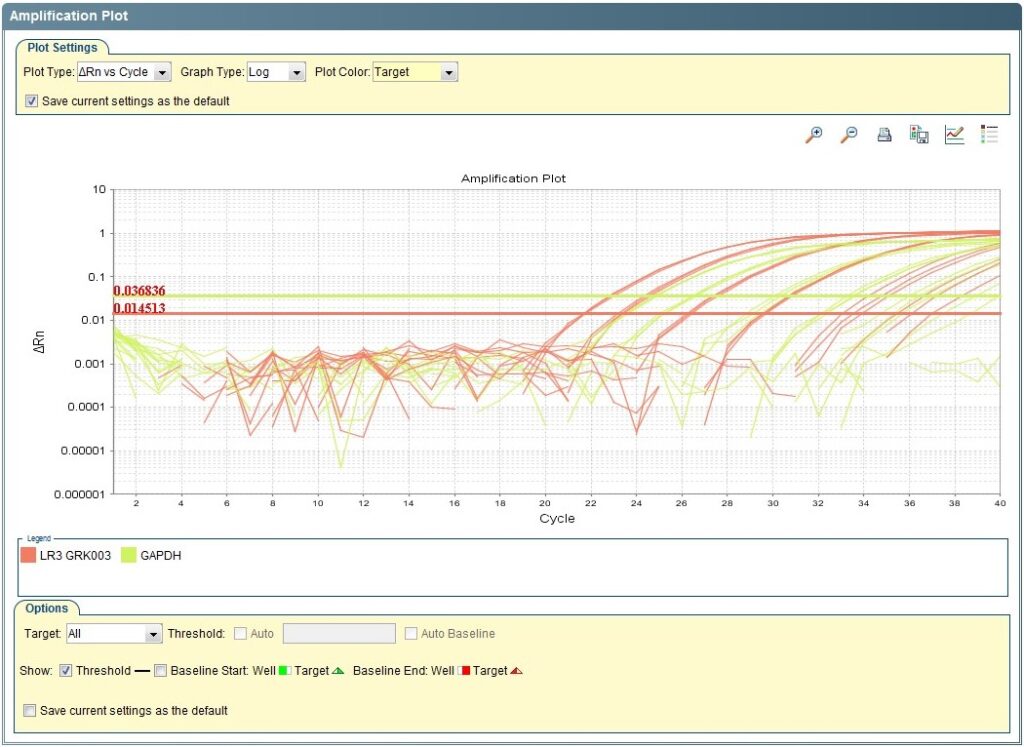
November 2024 – Protocol developed for the relative quantification of the Croatian GLRaV-3 isolate used in transmission trials. The protocol is based on the highly conserved RNA-dependent RNA polymerase (RdRp) and the stably expressed glyceraldehyde-3-phosphate dehydrogenase (GAPDH) as a reference gene. The developed method is based on qPCR and TaqMan probes. In the near future, we will try to develop a protocol for apsolute quantification suitable for Croatian GLRaV-3 isolates.
October 2024 – Nina Buljević joins the project team. Nina Buljević is a PhD student who graduated at University of Zagreb Faculty of Agriculture on master’s thesis “Determination of volatile compounds in wine using the SPME “Arrow” technique”. As part of the project, Nina Buljević will work on virus detection using nanopore sequencing and the influence of viruses and water stress on the behavioural patterns of vine mealybug (Planococcus ficus Sign.)
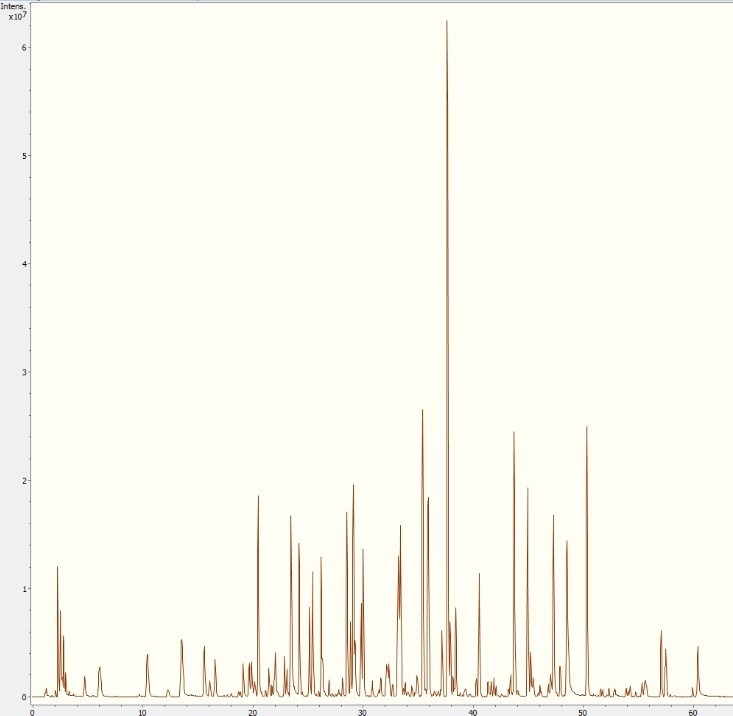
September – October 2024 – Optimization of protocols for grapevine hormones and plant water potential. The protocol for determining the content of grapevine plant hormones with the UHPLC-qTOF system was optimised. A total of 16 phytohormones belonging to five basic groups were identified: abscisic acid and its derivatives, auxins, cytokinins, jasmonic acid and its derivatives, and salicylic acid. Protocols were established for the measurement of plant water potential, volumetric water content in the substrate, gas exchange and multispectral analyses.
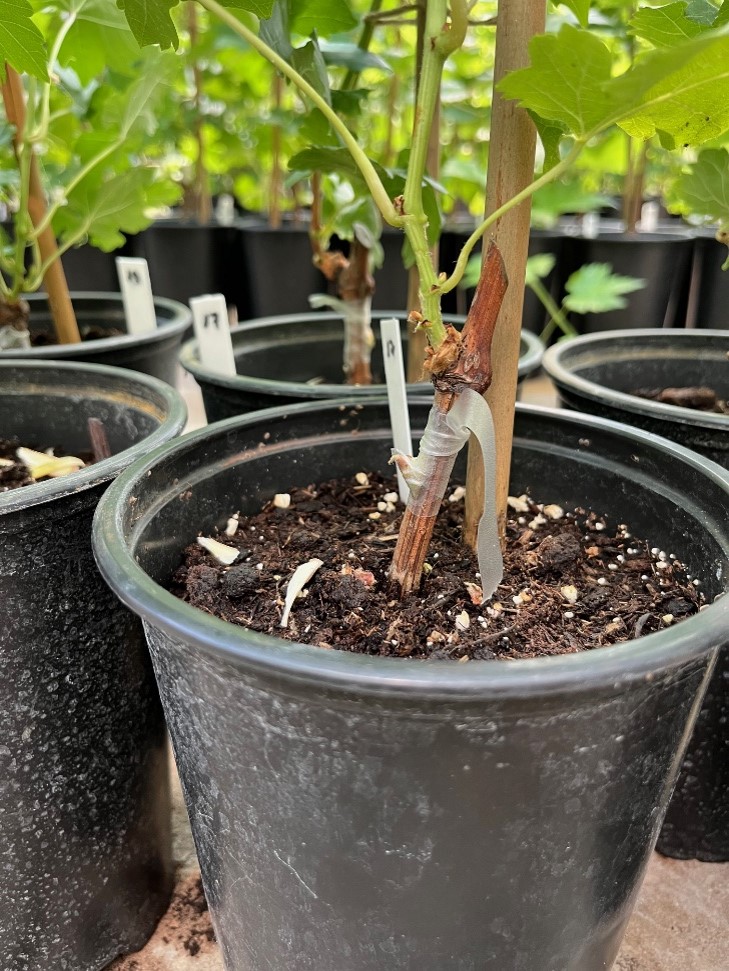
August 2025 – Grapevine leafroll-associated virus 3 (GLRaV-3) transmission trials – as a source of GLRaV-3 grapevine accession GRK-003 from “in vivo” virus collection was used. Cages with vine mealybugs were mount on GRK-003 and lateron transfered to virus free rooted cutings of Plavac mali clone PMC-012. Alternatively, transmission of GLRaV-3 was conducted by green grafting
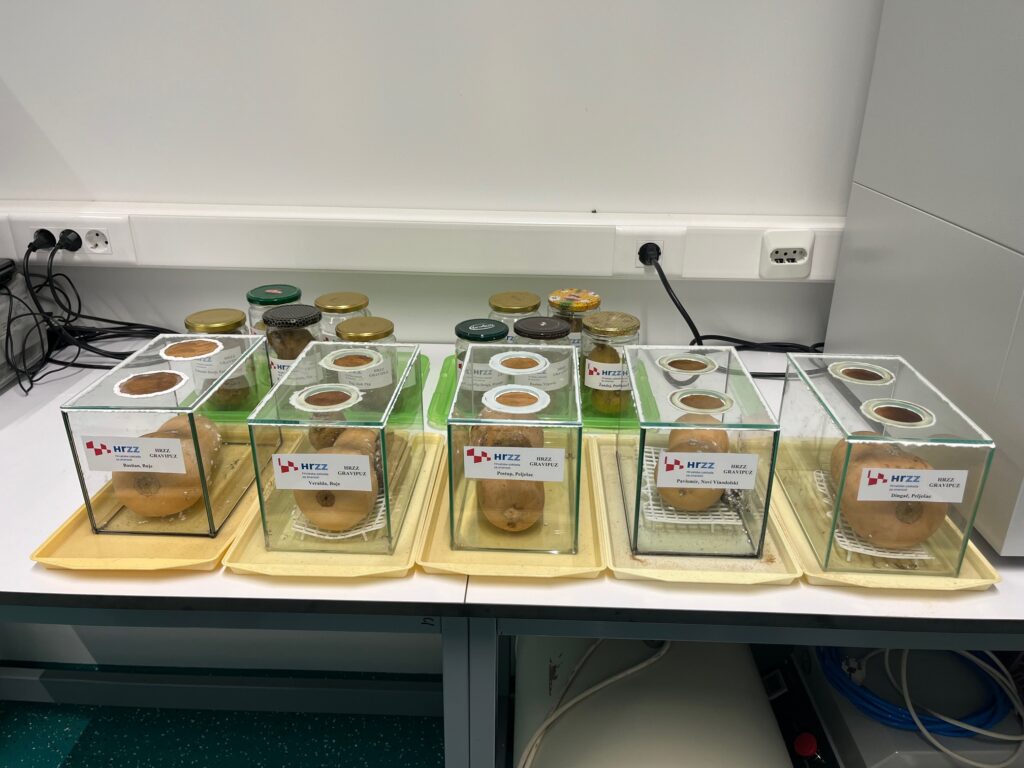
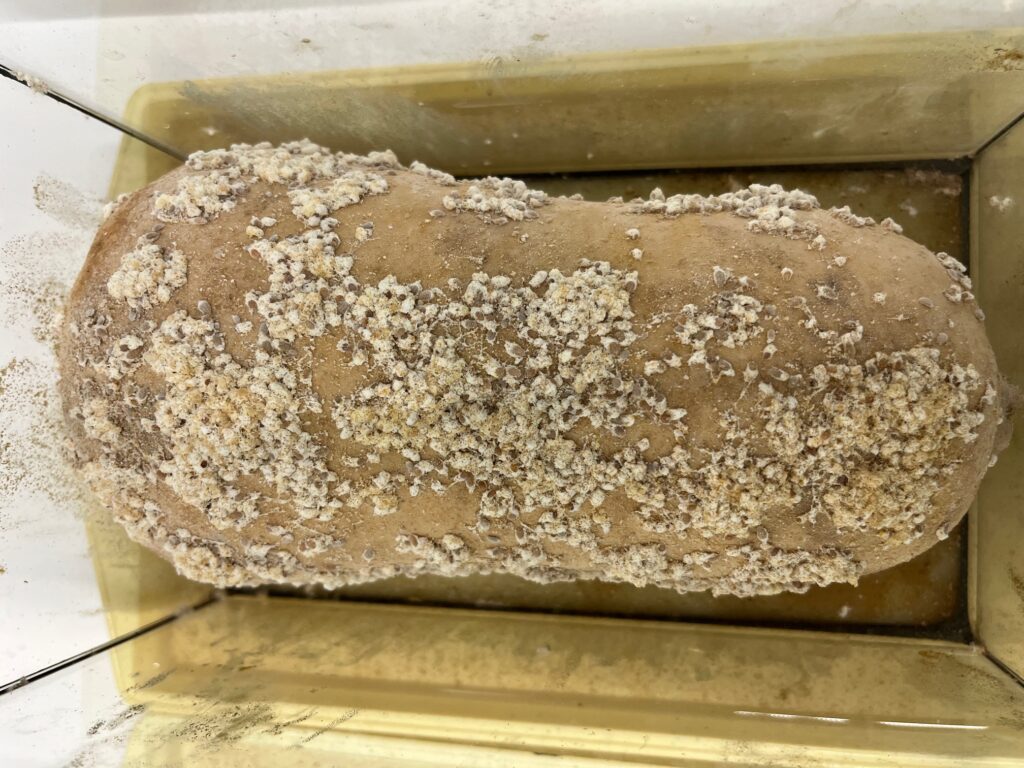
April – September 2024 – vine mealybug lab colony – colonies of vine mealybugs (Planococcus ficus Sign.) established in the laboratory on butternut sqashes
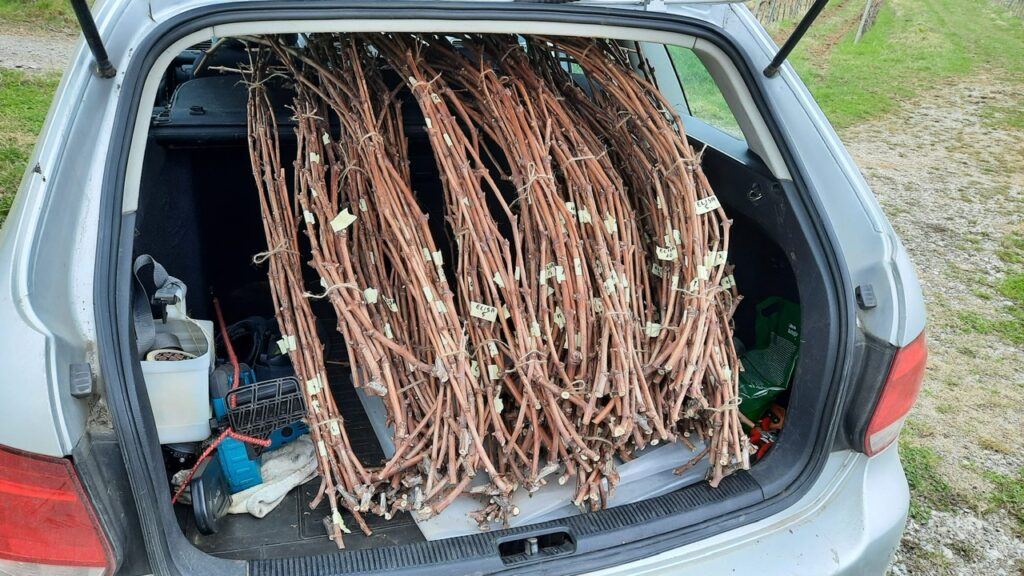
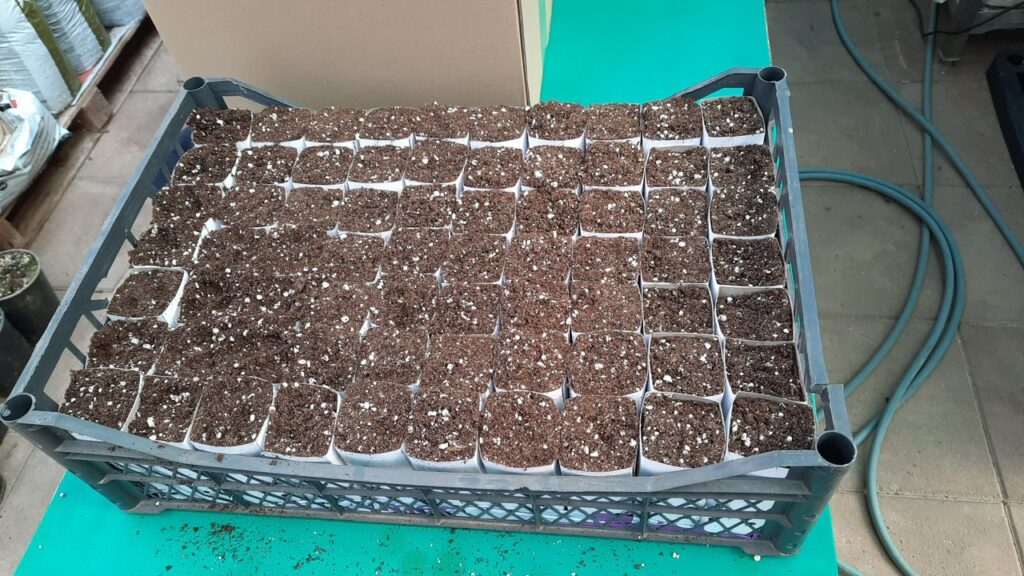
March 2024 – Preparation of cuttings for rooting – after ELISA and RT-qPCR tests, clone 12 of ‘Plavac mali’ (PMC-012) was selected as virus-free and suitable for our experiments. The cuttings were collected at the experimental station “Jazbina” (Department of Viticulture and Enology, Faculty of Agriculture, University of Zagreb) and prepared for rooting under greenhouse conditions.
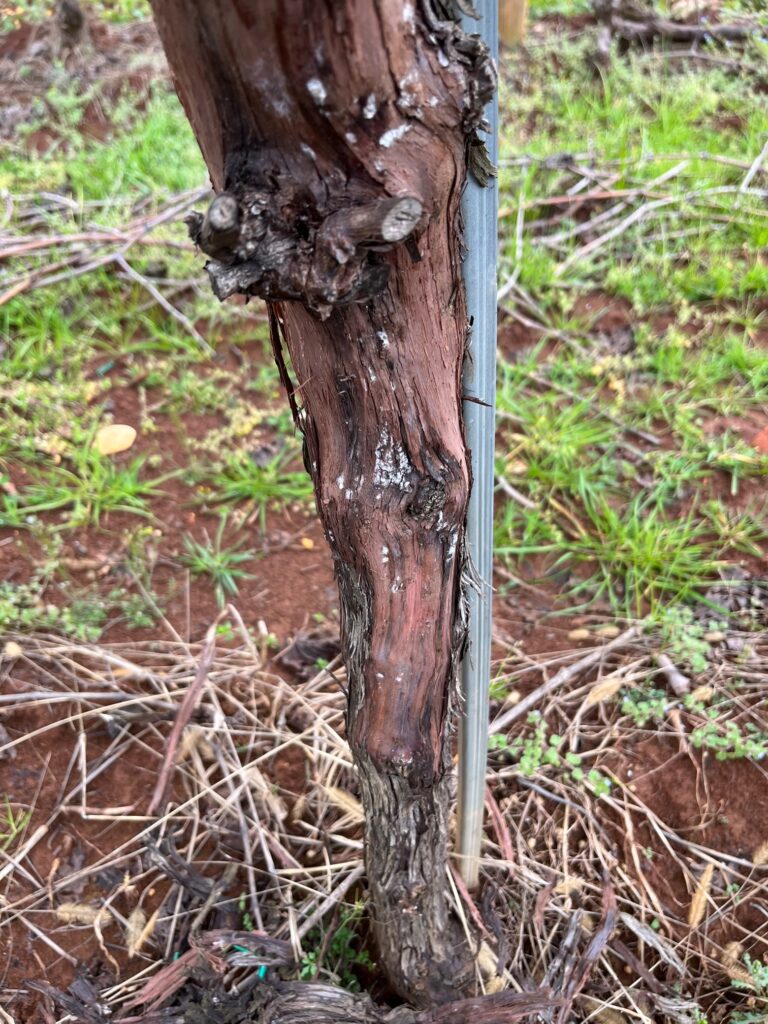
February/March 2024 – vine mealybug survey – since we lost our mealybug colony at the Derartment of Plant Pathology lab (University of Zagreb Faculty of Agriculture), we visited several vineyards in different locations (Zadar, Pelješac, Vrgorac, Poreč, Krk, etc.) to collect overwintered females for the new colony. We examined over 200 vines, and on several locations found couple of adult females. Hopefully they will surivive on butternut squash and/or potato sprouts in our lab.
February 2024 – Jazbina Experimental Station (Department of Viticulture and Enology, Faculty of Agriculture) – start of selection of virus-free plants of the ‘Plavac mali’ variety to be used as a source of cuttings for the project’s experiments
January 2024 – Minion Mk1C arrived – after almost 10 years of planning how to get this device, it is finally in our hands!!!! Hopefully it will fulfil all our expectations regarding the detection of grapevine viruses!!! We are slowly acquiring all the equipment needed to implement the project.
January 2024 – Quest for mealybugs – as we have lost our old colony of vine mealybug (Planococcus ficus Sign.), we have started to study different vineyards to establish a new colony in our laboratory.
Vončina, D., Jagunić, M., De Stradis, A., Diaz-Lara, A., Al Rwahnih, M., Šćepanović, M., Almeida, R.P.P. (2024). New Host Plant Species of Grapevine Virus A Identified with Vector-Mediated Infections, Plant Disease 108: 125-130.